case studies, youth soccer

Re-organizing Northern Virginia leagues

First, a quick announcement — because I’m writing for Soccer America now and have a book in the works, I won’t have many posts and podcasts over the winter.

But I wanted to take care of something I’ve been trying to do for a while, and it’s a case study of what can be done with a dose of sanity.

The basic idea: There’s no need for artificial divisions between levels of play, and kids/teams should be able to find their levels on their own.

Another basic idea: Quit traveling MORE to play LESS competitive games.

Which leads to this: Like most countries, we’re going to put league play under one umbrella.

You can do club-vs.-club league play IF all or most of your teams are in the same tier as your opponent. No more dragging your U13s 150 miles to lose 8-0.

And this reorganization doesn’t affect tournaments at all. If you have some exclusive league, you can reset it as a couple of tournaments/showcases. (The one caveat: Can we please have ONE State Cup? If you don’t want to enter it, and you want to have a special tournament of your own, fine, but don’t call it a “State Cup.”)

You might think this is just some OCD thing or the narcissism of a lone youth coach who’s sick of seeing lopsided soccer games in which one team has a bunch of kids who are near-elite level and the other has kids who simply can’t keep up physically. But let’s look at a larger issue from that Atlantic article everyone has been reading (“American Meritocracy Is Killing Youth Sports“):

Expensive travel leagues siphon off talented young athletes from well-off families, leaving behind desiccated local leagues with fewer players, fewer involved parents, and fewer resources.

Here’s the cycle I see here:

  1. Big clubs hold cattle-call tryouts at U9, usually taking the more athletic players. (I’m constantly amazed by the coaching gurus who think they can cast players aside at age 8 or 9 when they’re in their growth-spurt clumsiness. It’s almost as if they haven’t spent any time with children other than their selected few. Sure, you can spot someone who’s light years ahead of the rest in terms of understanding the game, but sifting through the other 99.9% is a fool’s errand.)
  2. The players who don’t make it are often discouraged and sometimes quit.
  3. The players who do make it aren’t necessarily those who are really devoted to soccer. They burn out, and they quit, and then the travel teams are left scrambling to grab kids from what’s left of the rec league.
  4. Some players may really like soccer, but when they hit middle school and high school, they have other interests that keep them from making the year-round commitment to travel (related issue: year-round commitments to mid- and lower-level travel teams are ridiculous), so they drop back into those “desiccated local leagues.”
  5. The clubs all band together to form a larger “rec” league that’s basically “travel lite.”

A few years ago, I suggested a way to bring players through the U-Little ranks up through Under-10 soccer, inspired by my local Little League baseball program that brings everyone to the “Majors” at their own pace. Basically, if you’re advanced, you play up. You can also arrange scrimmages with other clubs — putting your top players against theirs, your second-best against their second-best, etc. — and make those distinctions fluid. You don’t need “full-time” travel. You need your advanced players to be challenged, and you need your less advanced players to have the same access to good coaching because they might be great players when they grow into their bodies.

Move up to the older ranks: Middle school has a way of reshaping children’s priorities. If they’re truly elite soccer players and want to pursue it, they’ll be in an ECNL Academy program. (Yeah, we’re merging those two — we’ll get to it.) If they’re pretty good “travel” players but also good basketball players, tuba players, drummers or Eagle Scouts-to-be, they might want to drop their commitment level.

Does that mean these players have to quit playing with their similarly inclined friends? Does it mean they have to play at the lowest level of soccer along with new players or those who haven’t figured it out (or don’t have the physical tools to play particularly well)?

I don’t think so. And what I’ve found by high school age is that the difference between the top half of “rec” players and the bottom half of “travel” players no longer exists. The only difference is that the “travel” players are spending more money on professional coaches and … travel.

Let’s change that. As a model, we’ll use Under-14 boys in Northern Virginia. Our data and the abbreviations we’ll use:

  • YSR: Youth Soccer Rankings for Virginia (no ranking is perfect, in part because teams don’t always play for the result, but this is the most comprehensive)
  • EDP-1, EDP-2, etc.: EDP standings
  • CCL-1, CCL-2: Club Champions League Premiership and CCL Championship standings (which aren’t included in Youth Soccer Rankings — note this is not a promotion/relegation league)
  • VPL: Virginia Premier League standings
  • NCSL-1, NCSL-2, etc.: NCSL standings (this IS a pro/rel league)
  • ODSL: ODSL standings
  • SFL-1, SFL-2: Suburban Friendship League (rec) standings
  • Cup: Spring 2018 U13 State Cup (Play-in is PI, Round of 16 is R16, quarterfinal is QF, etc.)
  • Club Cup: Spring 2018 U.S. Club Soccer State Cup
  • GotSoccer rankings, but more importantly, tournament results. I didn’t want to reward teams for chasing GS points, but I used their event rankings to judge tournament results. Between that and YSR, I should have a good sense.

The result is admittedly subjective, but I hope I’ve accounted for idiosyncrasies in the rankings in which teams are dragged down (or up) by the strength of their leagues.

ECNL DEVELOPMENT ACADEMY (yes, get over it and merge — and yes, YSR’s rankings are muddled here because of a lack of data points comparing these teams to others)

  • Arlington (DA)
  • D.C. United (DA)
  • Loudoun Soccer (DA)
  • McLean (ECNL)
  • Virginia Development Academy (DA)

At this level, traveling a bit farther makes sense. The rest of the current Mid-Atlantic DA  (Baltimore Armour, Bethesda, Lehigh Valley United, PA Classics) and other nearby ECNL programs (Baltimore Celtic, Maryland United) can be reached with an easy day trip.

We won’t have traditional promotion/relegation here because this league will have different standards than others, and each club will have its teams evaluated by a combined U.S. Soccer/ECNL staff. But any team that is clearly overmatched at this level, it’ll be asked to drop down at that particular age group, even if other teams in that club (in other age groups) remain in the ECNLDA. I’ve done this here with Braddock Road, whose results in and out of ECNL do not indicate a competitive team.

We’ll have one more level with medium-range travel.

EDP D.C. METRO REGIONAL 

  • Doradus Barca Elite (#2 YSR, #4 EDP, #4 NCSL-1, State Cup R16)
  • Alexandria Red (#3 YSR, #2 CCL-P, State Cup QF)
  • Lee Mount Vernon Patriots Red (#4 YSR, #6 CCL-P, State Cup QF)
  • DC Stoddert Blue Metros (#6 YSR, #8 CCL-P)
  • Arlington Red (#12 YSR, #4 CCL-P, State Cup QF)
  • Loudoun Red (#9 YSR, #10 CCL-P, State Cup QF)
  • Stafford Soccer Revolution Blue (#15 YSR, #3 VPL)
  • Annandale United/Villarreal Academy (#10 YSR, #2 VPL, Club Cup champion)

Those eight teams will combine with similar teams in Maryland, with yearlong standings. At least, at U14 — above that, you run into the problem of Virginia playing its public school soccer season in the spring while Maryland and most others play in the fall.

The champion is the non-ECNLDA D.C. metro area champion. (Maybe they could even play some games with ECNLDA teams in the spring season.)

No club can have more than one team in this division or the one beneath it. We want to encourage clubs to use club passes, and it pretty much defeats the purpose if you have multiple teams in the upper tiers.

The bottom Virginia team from this league is relegated to …

NORTHERN VIRGINIA PREMIER LEAGUE

  • Herndon Ciclones Black (#16 YSR, #16 CCL-P, State Cup R16)
  • Fredericksburg FC Black (#20 YSR, #12 CCL-P, State Cup R16)
  • SYA Cardinals Red (#25 YSR, #14 CCL-P, State Cup R16)
  • Capital FC Red, formerly Diplomats (#19 YSR, #1 EDP-4)
  • FCSC United Black (#29 YSR, #4 CCL-C)
  • McLean Green (#26 YSR, #3 CCL-C, State Cup runner-up but may have sent many players to ECNL – Jaime Moreno is the coach!)
  • Great Falls Reston Elite NPL (#30 YSR, #5 VPL, Club Cup PI)
  • NVSC CCL (#36 YSR, #11 CCL-P, State Cup R16)

The distances here aren’t too bad, though we have some 70-mile drives and might need to think about moving Culpeper, Fredericksburg and FCSC (Fauquier County) to other regions, perhaps with the opportunity to move into EDP. Below this level, as we draw the leagues more locally, teams from this clubs won’t be in the NoVa league.

These top tiers will only have eight teams playing seven games per season. That should give them plenty of time to play tournaments and showcases.

NORTHERN VIRGINIA LEAGUE ONE

  • Lee Mount Vernon White (#43 YSR, #2 CCL-C)
  • Arlington White (#38 YSR, #1 CCL-C)
  • Vienna Red (#31 YSR, #6 VPL)
  • Virginia SA NPL (#32, #9 VPL)
  • Barca Academy NoVa Blue (#28 YSR, #9 EDP-1)
  • Loudoun Black (#42 YSR, #6 CCL-C)
  • DC Stoddert Red Metros (#35 YSR, #7 CCL-C)
  • Doradus Barca Premier (#36 YSR, #4 NCSL-4)

The Barca team is tough to judge because it has been routed in its league games, and it has also chosen too high of a level in tournament play so far. Its ranking reflects the strength of opposition. I’m giving it the benefit of the doubt in placing it here.

The Doradus team is one of those that plays low-level league play but does quite well in tournaments.

NORTHERN VIRGINIA LEAGUE TWO

  • Cougars Youth Club Olympiakos (#53 YSR, #1 ODSL)
  • Chantilly YA Purple (#44 YSR, #8 VPL)
  • FC Virginia United Elite (#48 YSR, #10 VPL)
  • Team America Academy (#49 YSR, #9 NCSL-1, State Cup R16)
  • FPYC Blue (#51 YSR, #7 NCSL-1)
  • FC Dulles Gold (#53 YSR, #5 NCSL-4)
  • McLean White (#58 YSR, #1 NCSL-3)
  • Burke Fusion Blue (#64 YSR, #3 NCSL-3)

The FC Dulles team is another tournament overachiever.

I happen to have reffed a game with Olympiakos. They’re one of those teams playing in (and dominating) ODSL because the club isn’t in a higher league, and they’re doing well with an ambitious tournament schedule.

One more eight-team division …

NORTHERN VIRGINIA LEAGUE THREE

  • DC Stoddert White Metros (#73 YSR, #10 NCSL-1)
  • Annandale Villarreal Yellow (#61 YSR, #1 NCSL-4)
  • NVSC CCL II (#63 YSR, #5 CCL-C)
  • SYC Lions Blue (#55 YSR, #12 VPL)
  • PWSI Pre Academy NPL (#59 YSR, #11 VPL)
  • Real World FC Scorpions (#65 YSR, #8 NCSL-4)
  • Premier AC Navy (#86 YSR, #3 NCSL-2)
  • Leesburg Infinity (#79 YSR, #4 NCSL-2)

As mentioned above, I’ve started skipping teams from farther out — in this case, Fredericksburg SC Vasquez Academy and Winchester Orange.

We’ve now accounted for all of the CCL Premiership and VPL teams. The remaining CCL-Championship teams, EDP team and ECNL team might disagree, but we’re getting to the point at which most of these teams have smaller ambitions, so we’re going to have more league games on the assumption that these teams will not go to as many tournaments. This should create a cheaper price point.

I’m going now by league affiliation rather than rankings, which are splitting hairs at this point, and I can attest there’s still a gap between the typical NCSL Division 2 team and NCSL Division 5.

NORTHERN VIRGINIA LEAGUE FOUR

  • Braddock Road ECNL
  • Barca Academy NoVa Yellow (EDP-4)
  • Herndon Ciclones White (CCL-2)
  • SYA Cardinals White (CCL-2)
  • Alexandria White (NCSL-2)
  • VSA Select Red (NCSL-2)
  • Arlington Blue (NCSL-2)
  • Chantilly Gold (NCSL-2)
  • SYC Lions Orange (NCSL-3)
  • Great Falls Reston Napoli (NCSL-3)
  • Vienna White (NCSL-3)

NORTHERN VIRGINIA LEAGUE FIVE

  • Loudoun White (NCSL-4)
  • Sterling Black Lions (NCSL-4)
  • Lee Mount Vernon Patriots Blue (NCSL-5)
  • SYC Lions Blue (NCSL-5)
  • Alexandria Blue (NCSL-5)
  • Chantilly Black (NCSL-5)
  • Vienna White (NCSL-5)
  • FPYC Gold (NCSL-5)
  • Premier AC White (NCSL-5)
  • Braddock Road United (ODSL)
  • PWSI Challenge (ODSL)

Now we’re going to get regional and “recreational,” though we’ll still have promotion and relegation opportunities. We’ll start adding in the SFL (recreational) teams here as well as teams from the two non-SFL clubs — Arlington (15 teams) and Vienna (five — they have 10 in a combined U13/U14 league, so divide in half).

SFL has two divisions, with the top one smaller than the second.

NORTHERN VIRGINIA DEVELOPMENTAL 1-WEST

  • Loudoun Gray (ODSL)
  • Virginia Revolution WLFC United (ODSL)
  • PWSI Classic (NCSL-6)
  • Loudoun Silver (NCSL-6)
  • Great Falls Reston 1 (SFL-1)
  • Herndon 4 (SFL-1)
  • FPYC 2 (SFL-1)
  • NVSC 6 (SFL-1)
  • NVSC 5 (SFL-1)
  • Sterling 1 (SFL-1)
  • PWSI 3 (SFL-1)
  • Herndon 1 (SFL-1)

NORTHERN VIRGINIA DEVELOPMENTAL 1-EAST

  • Alexandria Black (ODSL)
  • Capital FC White (NCSL-6)
  • Annandale 1 (SFL-1)
  • Springfield 1 (SFL-1)
  • Annandale 2 (SFL-1)
  • Gunston 1 (SFL-1)
  • Top four from Arlington
  • Top two from Vienna

Beyond that, we have:

  • 11 more from Arlington
  • 3 more from Vienna
  • 10 more from SFL-1
  • 32 from SFL-2

So that’s probably two more tiers of three regional divisions each.

Over time, some of the SFL teams would probably work their way up into League Five. Other teams would be relegated — and this might keep them together. It’s frustrating to be the bottom team in a travel league with nowhere to go but splitsville.

The teams at the top divisions will always have an eye out for good players. Clubs will promote from within — perhaps a player on the FPYC Developmental 1 team will move up to League Five or even League Two.

Beyond that, kids can play with their friends and find their level. All without breaking the bank.

(Now all we need is field space.)
non-soccer rant

My rebuttal to the dudes claiming Katie Nolan used “alternative facts” about WNBA

ESPN’s Katie Nolan recently argued that WNBA players are underpaid.

Now, you could argue that they aren’t, given the WNBA’s inability to bring in a lot of revenue. That’s a discussion worth having.

This rebuttal video claiming Nolan used “alternative facts,” on the other hand, is full of ad hominem arguments and alternative facts of its own.

I commented on the video. I’m not sure what happened to the comment. It’s certainly buried by a bunch of the usual nonsense that would be right at home on an incel Reddit.

I saw a t-shirt the other day and it read: Marriages don’t fail. wives fail

Who needs facts when you can wear makeup.

HA HA HA HA HA girl athletesWomen should just stay in their lane. Cook, clean, and raise the kids.I don’t care what profession, or talent it is MEN are better at it.Since the dawn of time the best writers, philosophers, scientists, engineers, athletes, doctors, lawyers, politicians, soldiers, carpenters, psychologists, bankers, etc. have all been MENHell even the best chefs in the world are MEN.Face it ladies, it’s a mans world. Always has been, always will be. Now go make me a sammichLMFAO

Women always have their hand out to men expecting us to provide. It has been that way for thousands of years. If the really want to make NBA money they should go try out for the teams. There is no law restricting women or anyone from trying out.

but Katie Nolan is hot so……. I didn’t listen to her anyway (joke)

Put some panties/booty shorts on and we’ll talk

And there’s the usual “liberals don’t like facts / SJW” nonsense and the complaints that the NBA is trying to “shove the WNBA down our throats.” Yeah, OK.

You should be able to get to my rebuttal by following this link, though it apparently glitches in Twitter.

In any case, here’s what I said …

I don’t mind a factual analysis. You take it too far by saying Nolan “lied” or “hasn’t done any research.”

Your historical notes are flat-out wrong. NBA teams give away tickets, too. I once went to a Wizards game on company tickets and had a fun conversation with another guy across 10 empty seats. We both were there for free, and they couldn’t even give away the seats between us. The announced attendance was close to a sellout — just as it often is in many sports.

Also, better pay WOULD help the talent level in the WNBA. A lot of players worldwide don’t bother with the WNBA. (I’m tempted to say “you didn’t do any research,” but no — you just didn’t realize this point.)

And you’re DEAD wrong about the Mystics and the WNBA final.

http://mystics.wnba.com/news/mystics-advance-to-the-wnba-finals-for-the-first-time-in-franchise-history/

https://www.washingtonpost.com/news/dc-sports-bog/wp/2018/09/05/all-aboard-the-washington-mystics-bandwagon/?utm_term=.bfb9f41ee4c0

Other points are strong. I’d again say she didn’t lie or fail to do any research. You just found some other points that are also valid, and it’s up to us to weigh the evidence.

And while your personal attack on Nolan at the end is unwarranted and comes across as male insecurity (not to mention an ad hominem argument, a logical fallacy — and we men are supposed to be good at logic, yes?), it’s fair to ask why women don’t do more to support women’s sports. Why are most NWSL owners men, for example? (Granted, men have a lot more money in general, but there are indeed some women — far richer than Nolan — who can help out.)

But your commenters are douchebags. Waaah, waaaah, feminists are ruining my life. (They’re not. You guys are just snowflakes.) And “lesbos”? “Broads”?

Look, you’re threatened by smart women. Deal with your insecurities and quit taking them out on the rest of us. No one’s forcing women’s sports down your throats. You don’t have to watch. You can still watch every NBA game you want.

So no — these aren’t “blatant lies.” You’ve just got issues, dude.

A day later, I think I was too nice.

youth soccer

Exciting news and a meditation on the mercy rule

I’ve been lucky in recent years to write for a publication I’ve long loved, The Guardian.

Now I’m lucky again to write for a second publication that sustained the small U.S. soccer community in the pre-Internet era and continues to be a vital source of news and perspective … Soccer America.

My debut piece is about the mercy rule in youth soccer. It’s often essential but also often misapplied.

pro soccer, us soccer, youth soccer

NPSL turnover and why we need youth clubs to build up, not vice versa

Stop what you’re doing and read the excellent SocTakes analysis of turnover in the NPSL.

Are you back? OK.

centaurs
I want this shirt.

If you’ve followed lower division soccer over the years, you know this isn’t a recent phenomenon. Go back and look up the names in the old A-League on Wikipedia, where some kind soul listed each team’s dates of birth and death. For many of the teams, that doesn’t tell the whole story — the Carolina Dynamo existed and thrived for several years before the A-League and USISL merged, and they retrenched as a successful PDL team. But if gives you an idea.

If you wanted to do a spreadsheet akin to the one SocTakes did of NPSL teams, you’d run into a lot of complications along those lines. Teams rebrand, change leagues, go on hiatus, etc. I thought about it and then realized I had other things I really had to do. (I’m doing live curling commentary on Friday. Check it out.)

OK, fine, I did one.

This should cover every team that played in the nominally professional USISL/USL leagues (which launched in 1995) and the NASL. It does not include long-standing teams that have only played amateur soccer in the PDL or elsewhere (apologies, Des Moines Menace). Nor does it include APSL teams (apologies, San Francisco Bay Blackhawks) that didn’t stick around to play past the USISL/A-League merger.

I cross-checked Dave Litterer’s archive, Wikipedia and official team sites until I was blue in the face. If you see any corrections, please let me know. Going back to, say, 1990 or even 1985 would be the next logical step.

I’ve also ignored MLS reserve teams, including MLS Project 40, which existed.

The next step was the toughest. I tried to figure out how many of these teams have or had youth programs. I’d be happy for any crowdsourcing help here. As it stands, it’s not all that easy to figure out if a club named, say, “Dragons” is (A) a youth program that existed when the Jersey Dragons played in the USISL in 1994-95, (B) a youth program named after the Dragons, or (C) just coincidentally using the same name.

Then try to figure out whether the youth program preceded the senior team. I’m not even completely sure whether that’s true for the Richmond Kickers, a gargantuan youth program with a senior team attached. Both have existed since the mid-90s. Which came first?

So I’ll keep plugging my way through it. I’m pretty sure I have all the relevant teams and their histories, though perhaps some of them are still plugging away in amateur leagues. I’ll happily take help on that and youth programs.

But what I’d conclude so far:

Having multiple options is a good thing. Self-relegate if needed — note all the teams that dropped out of the pro ranks and started playing PDL or other amateur leagues.

My hypothesis: Teams are better off if they’re organic outgrowths of a existing club.

Or maybe the whole club is formed at once.

That’s the idea. Input welcome.

non-soccer rant

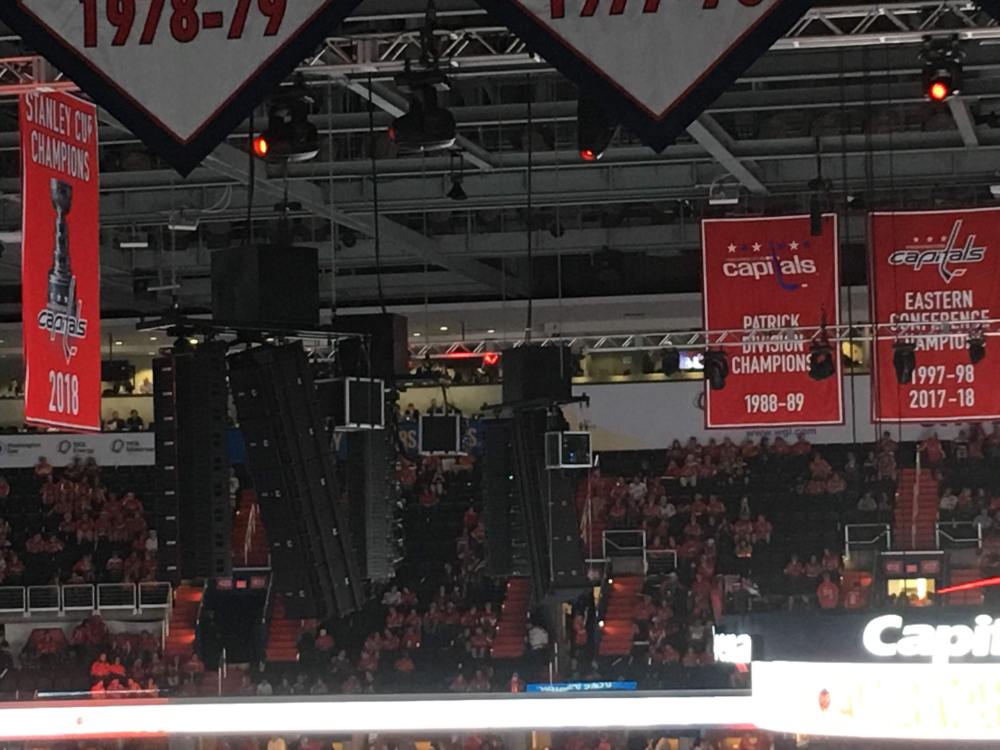
NSR (Non-Soccer Rant): Why the Caps’ Cup means so much

You don’t know what this means. How could you?

Unless you’ve lived in metro D.C. for a while, you can’t know.

You might think you know about basic sports ineptitude. Cleveland gets that, as do a few other cities. Atlanta has only that lone World Series win from the decade of great Braves teams. But Cleveland broke through when LeBron came home. And even the Cubs and Red Sox have won the World Series — in cities that have plenty of NBA and NFL championships to tide them over.

But there’s more to the story in D.C.

We’re hated. Unreasonably so. Not like Philadelphia fans who earn their reputation and seem unworthy of the excellent and charitable Eagles. Even in that case, people just hate the fans. People generally don’t hate Philadelphia itself. It has Reading Terminal Market. How bad could it be?

IMG_4394
Not in the frame: The banner for the three Presidents’ Trophys / postseason curses.

Us? Hundreds of politicians go home to their constituents and say they’re trying to fix things “in Washington.” They never admit they’re the problem. Not the people who actually live here.

“But what about the dirtbag lobbyists?” Sure, they’re reprehensible. But they’re generally not D.C. sports fans. They, like so many people in this area, are from somewhere else. And they think it’s cool to downplay their ties to this area even as they ride the gravy train provided by the workaholics who call this place home. (Rush hour starts at 5 a.m. It ends at 8 p.m. Buckle up. Granted, our mass transit sucks, which itself is indicative of the neglect our region gets.)

Even tonight, as the Washington Capitals raised their Stanley Cup banner, there were people wandering the concourse in Bruins jerseys. One was inexplicably wearing a Sidney Crosby jersey. In other cities, that guy would be stuffed in a trash can. Here, we’re too nice. And we’re used to this crap.

I’d love to tell you D.C. United’s trophies eased D.C.’s suffering. Maybe a little. But MLS Cup doesn’t have the history of the Stanley Cup. Nor is MLS the best league in the world in its sport. The NWSL has at least a case to be made for being the best women’s soccer league in the world, and the Washington Spirit did make the final a couple of years ago, only to lose in classic D.C. fashion. The Washington Kastles had a great run in World Team Tennis, but tennis players don’t dream of winning that trophy. The D.C. Breeze are a pretty good AUDL team, but they’re on the verge of losing half their players to a gender-equity boycott.

And the Capitals are the longest-suffering of the D.C. sports teams. The Wizards won one back when they were the Bullets. The NFL team with the racist nickname won a couple of Super Bowls. The Montreal Expos, currently hanging out at some ballpark for which they made a financially strapped city pay full freight, have less history.

Yet the Capitals have managed to put together a fun, fervent fan base. My suburban town is full of cars with Caps magnets, decals, license plate holders and license plates. It’s a community. You saw it in the massive viewing parties for Stanley Cup games just a few months ago.

This is not a region that manages to get together for things. We’re the region where people come to yell about stuff, either in the Capitol or on the Mall, and then go home. We’re the region where people work long hours at the Pentagon. Or the World Bank. Or tons of unheralded yet vitally important departments and agencies. Or at a law firm, desperately trying to fight the predators (not Nashville — well, maybe some) who are trying to feast off working-class America and immigrants. Or at some poorly funded news organization trying to maintain a watchdog role as long as they can keep the lights on. The Capitals gave us something to cheer for.

So yeah. We deserve this. We deserve to see a Russian who embraced Washington long before his leader did raise the Cup. We deserve to see Brett Connolly score a goal and then see the camera pan over to a wildly celebrating little girl who got a puck from him. We deserve to see Braden Holtby slam the door again and again.

When the game ends, we’ll go back to being your punching bag. Your anger is misplaced, but we’re used to it. We’ll just keep working.

And we’ll all have replica Cup banners at our desk. You punks who think you’re so cool because you keep cheering for your “home” team instead of your home team can just deal with it.

Let’s go Caps.

youth soccer

A Recreational/Most Travel Soccer Manifesto (updated)

A couple of years ago, I wrote a Recreational Soccer Manifesto for SoccerWire. At the time, I was focused more on the younger age groups, having just written Single-Digit Soccerand I was pushing the idea of having no full-time travel soccer (just All-Star tournaments and other interclub matchups) for kids under age 12.

But I did have a few ideas for older age groups, even though I had not yet coached there. Now I’m in my third year of coaching at the U14 (middle school) level, and I’m now coaching at the U16/U19 level (don’t ask — it’s a long story).

And I’ve found that I was right. Somewhat. I’ve learned a few things that have made me want to revise and expand the Manifesto.

One thing I’ve learned that I had not taken into account: You’re simply not going to be able to keep everyone. I have some ideas for giving all high schoolers an opportunity to play without being totally overwhelmed by all the players dropping back to rec soccer after several years of travel, but even then, high school kids tend to explore new activities and/or shift their focus to the activities at which they’re really good. The kids playing multiple sports may choose one. They may choose to run cross-country and march in the band instead. We have to be OK with that.

(Losing kids before age 12 is a different story. When that happens, it usually means the soccer community messed up.)

I’m also seeing in even more vivid detail just how counterproductive it is to have all these different leagues stuck in silos rather than a pyramid. In my area, kids from U11 on up have these choices:

  • The Development Academy, which is taking more and more kids at the younger age groups.
  • ECNL, which is fighting back against the DA. We can talk about that some other time.
  • EDP, which has taken over U.S. Soccer’s regional leagues in the region and offers a lot of tiers for teams to find a competitive level.
  • Club Champions League, a self-appointed elite league with club vs. club scheduling that seems less relevant now that we have three leagues at a higher level.
  • Virginia Premier League, a U.S. Club Soccer league that also does club vs. club scheduling and is at a lower level (with even less parity) than CCL.
  • NCSL, the traditional local promotion/relegation league that still has a handful of good teams and reaches downward to include teams that are demonstrably worse than a lot of “rec” teams.
  • ODSL, which some clubs consider “travel” and some consider “rec.” It’s supposedly a lower level, but after reffing a fantastic U13 game punctuated by a legit bicycle-kick goal, I’m not sure I’d agree.
  • Suburban Friendship League, the interclub “rec” league that has a few teams that would clobber the “travel” teams.
  • Local clubs’ rec leagues.

With so many artificial divisions, is it any wonder these leagues and clubs fail to offer the wide range of programs and competitive levels players and parents want? Several of these leagues try to have multiple tiers, but they don’t have teams to do it.

And these leagues end up imbalanced. Your local rec league may have some juggernauts, with players who’ve stuck together for a few seasons while doing all sorts of extra work. Can we let these friends stay together while giving them a challenge other than destroying the less serious rec teams? Why can’t they play the low-level travel teams who aren’t any better?

So the basic points of my previous manifesto still seem OK to me. But I think I can distill things down to a couple of simple points:

DA/ECNL: With some hesitation, I’ll exempt the DA and ECNL from what I’m suggesting below. They should merge, of course, with a simple compromise — the ECNL accepts the DA’s limits on the number of games each team plays in a weekend or a week, while the DA gets over itself and lets kids play in high school if they choose. That should give them enough teams for two tiers, and at the pivotal age of U16, they could have a truly national league. (After U16, players that are ready to go pro move into the USL or straight to MLS, while everyone else travels less so they can hit the books and get ready for college.)

As for everyone else …

One pyramid in each region: One. The top level would play throughout the region, though we’ll still try to keep travel reasonable — usually 1-2 states, or half a state in California’s case. The farther down the pyramid you go, the wider the base. (In other words, an actual pyramid. Not a ladder.) Professionally coached teams with committed players who practice 2-3 times a week and don’t mind a bit of driving will end up in the upper tiers. Teams we would now call “recreational” will be at the bottom — if they prove to be a bit better than their peers, they can move up a tier or two. Any team can decline a promotion to a level that would require too much travel. (Within reason — if a team is beating everyone 10-0 in Division 9, they should move up to Division 8 or disperse their players.)

Guest players/available subs: In my adult league, we had a roster of full-time players that was big enough to field a team if everyone showed up. They all paid full freight, and so they had first right of refusal for each game. If a few players were absent, we could call on a list of players who hadn’t committed to the team but would be willing to play on occasion. (I’ll draw once again on the curling example — a curling team usually has four players but can go with three or possibly five — so my local club lets teams call in subs who pay a small fee for each game they play.)

Free play, free play, free play: Some kids simply aren’t going to be able to commit to any team, no matter how low the commitment might be. You can still keep them playing on occasion and give your full-time players a fun break from their league schedules by having free-play days.

You could also offer a change of pace for everyone with small-sided tournaments (tiered) open to all.

Speaking of tournaments:

Set up any tournament you like: In the example above, CCL and VPL could reinvent themselves as organizations that offer club-vs.-club tournaments.

The bottom line is this: Offer a wide variety of clearly labeled programs. Parents have no patience for this alphabet soup. What I’ve outlined above is far simpler and friendlier than the dystopian mess of leagues I listed above that.

Clubs may argue that they’re moving from the “team-centric” model to the “player-centric” or “club-centric” model. You’re not fooling anyone. You might move the occasional player up to fill in on the top team, and the DA has provisions for part-time players who can be called up (and there’s no reason to discontinue that practice). But for the most part, you’re handing parents a schedule at the beginning of the season, and they’re scheduling everything else around those games. You’re not going back and saying, “Hey, let’s bump Maddie down to the C team this week. Game time is 8 a.m. Sunday in Farsburg. See you there.”

In any case, we’ll let clubs continue what little internal movement they have with the “guest player” provisions. Your Division 3 team can call up a Division 6 player if needed. But players and parents at most levels of soccer identify with a particular set of teammates. You can’t change that, nor should you.

So we’ll accomplish the following:

  1. We’ll make this more fun for everyone.
  2. We’ll make this less confusing.
  3. We’ll encourage more players to stay in the game.

And we’ll even provide that elusive “pathway” for all. Maybe a kid comes out to one of your free play sessions, decides to join your Division 10 team and catches on to the game. In a couple of years, that kid is in Division 3 helping you win a State Cup and going on to play in college. Stranger things have happened.

For the other 99 percent, youth soccer will be something other than a major annoyance. And that’ll be progress.


us soccer

U.S. Open Cup qualifiers: Which leagues fared the best?

The U.S. adult (not pro, but maybe not amateur) league system is in flux, with tons of teams joining the suddenly sprawling UPSL and other leagues taking steps toward greater recognition.

So with that in mind, it was interesting to see U.S. Soccer release the list of teams contesting the Open Cup in 2018-19 broken down by league.

Unfortunately, the results we’ve seen have the traditional state-by-state breakdown, so we can’t see which leagues progressed.

Let’s take the two documents together and see what we find. Each league is sanctioned through U.S. Adult Soccer unless otherwise specified. I’m going roughly west-to-east except for breaking out the national UPSL. A lot of games were intraleague; interleague matchups are in italic.

UPSL (4-7)

  • Cal FC; Thousand Oaks, Calif.: W 2-1 San Nicolas
  • California United FC II; Irvine, Calif.: L 2-6 CaliGators
  • JASA RWC; Redwood City, Calif.: W 7-0 San Ramon
  • Lionside FC; Redondo Beach, Calif.: W 2-0 SC Trojans
  • L.A. Wolves FC; Bell Gardens, Calif.: L 0-4 Santa Ana
  • Napa Sporting SC; Napa, Calif.: bye
  • Oakland Stompers; Oakland, Calif.: W 1-0 Leopards
  • Real San Jose; San Jose, Calif.: bye
  • San Nicolás FC; Los Angeles, Calif.: L 1-3 Cal FC
  • San Ramon Dynamos FC; San Ramon, Calif.: L 0-7 JASA
  • Santa Ana Winds FC; Lake Forest, Calif.: W 4-0 LA Wolves
  • Valley United SC; North Hills, Calif.: L 0-4 Buena Park
  • Nevada Coyotes FC; Carson City, Nev.: bye
  • Sporting AZ FC; Scottsdale, Ariz.: bye
  • Boise FC Cutthroats; Boise, Idaho: bye
  • San Juan FC; Draper, Utah: bye
  • Colorado Rush; Highlands Ranch, Colo.: L 1-2 Harpos FC 
  • Gam United FC; Aurora, Colo.: W 2-1 Northern Colorado
  • Indios Denver FC; Englewood, Colo.: L 0-1 FC Denver
  • Aurora Borealis Soccer Club; North Aurora, Ill.: bye
  • FC Maritsa; St. Louis, Mo.: bye
  • Bay Area Oiler FC; Houston, Texas: postponed
  • Dallas Elite FC; Plano, Texas: L 4-4 (PKs) Rayados
  • San Antonio Runners; San Antonio, Texas: postponed
  • Southwest FC; El Paso, Texas: bye
  • Juve-Pro Soccer; Stoughton, Mass.: L 0-1 Boston City
  • Mass United FC; Sommerville, Mass.: L 1-3 Safira
  • Safira FC; Sommerville, Mass.: W 3-1 Mass United
  • FC Cardinals; Winston-Salem, N.C.: L 1-5 Soda City
  • ASC America Soccer Club; Jacksonville, Fla.: W 1-0 Orlando FC
  • Deportivo Lake Mary; Kissimmee, Fla.: L 1-2 Sporting Orlando
  • Florida Soccer Soldiers; Hialeah, Fla.: W 2-1 Miami Sun
  • Hurricane FC; Delray Beach, Fla.: bye
  • Miami Sun FC; Miami, Fla.: L 1-2 Florida Soccer Soldiers
  • Sporting Orlando SC; Orlando, Fla.: W 2-1 Lake Mary

Oregon Premier Soccer League

  • International Portland Select (IPS)/Marathon Taverna; Portland, Ore.: bye

LIGA NorCal (US Club Soccer)

  • Academica Soccer Club; Turlock, Calif.: W 4-1 Davis
  • Contra Costa FC; Walnut Creek, Calif.: bye
  • Davis Legacy; Davis, Calif.: L 1-4 Academica

San Francisco Soccer Football League (0-1)

  • Oakland FC Leopards; Lafayette, Calif.: L 0-1 Stompers

SoCal Premier League (2-1)

  • Buena Park FC; La Palma, Calif.: W 4-0 Valley United
  • CaliGators FC; Lake Forest, Calif.: W 6-2 Cal United
  • Chula Vista FC; Spring Valley, Calif.: bye
  • L.A. South Bay Monsters FC; San Pedro, Calif.: 1-2 Outbreak
  • Outbreak FC; Long Beach, Calif.: W 2-1 South Bay
  • Quickening; Lancaster, Calif.: L 0-4 Royals
  • Real Sociedad Royals; Bellflower, Calif.: W 4-0 Quickening
  • SC Trojans FC; Los Angeles, Calif.: L 0-2 Lionside

Colorado Premier League (U.S. Specialty Sports Assn.; 2-1)

  • Club El Azul; Broomfield, Colo.: L 0-1 Colorado Rovers
  • Colorado Rovers; Broomfield, Colo.: W 1-0 Club El Azul
  • FC Denver; Aurora, Colo.: W 1-0 Indios
  • Harpo’s FC; Commerce City, Colo.: W 2-1 Colorado Rush
  • Northern Colorado FC; Fort Collins, Colo.: L 1-2 Gam United

Ann Arbor Premier Development League (0-1)

  • Ann Arbor FC; Ann Arbor, Mich.: L 3-4 Livonia

Michigan Premier Soccer League (1-0)

  • Livonia City FC; Livonia, Mich.: W 4-3 Ann Arbor

Minnesota Amateur Soccer League

  • FC Minnesota; Blaine, Minn.: bye

Austin Men’s Soccer Association (U.S. Specialty Sports Assn.)

  • Celtic Cowboys Premier; Austin, Texas: postponed

North Texas Premier Soccer Association (1-0)

  • Leon FC; Dallas, Texas: postponed
  • NTX Rayados; Dallas, Texas: W 4-4 (PKs) Dallas Elite

Bay State Soccer League (1-0)

  • Boston City FC II; Malden, Mass.: W 1-0 Juve-Pro
  • Boston Siege FC; Revere, Mass.: L 2-2 (PKs) Kendall Wanderers
  • GPS Omens; Boston, Mass.: W 2-1 Southie FC
  • Kendall Wanderers; Cambridge, Mass.: W 2-2 (PKs) Boston Siege
  • Southie FC; Roxbury, Mass.: L 1-2 GPS Omens

Connecticut Soccer League (0-1)

  • Newtown Pride FC; Newtown, Conn.: L 0-1 Jackson Lions

Rochester District Soccer League

  • Rochester River Dogz; Spencerport, N.Y.: bye

Cosmopolitan Soccer League

  • Lansdowne Bhoys FC; Yonkers, N.Y.: L 0-4 Pancyprian Freedoms
  • New York Pancyprian Freedoms; Jamaica, N.Y.: W 4-0 Lansdowne Bhoys

Garden State Soccer League (1-0)

  • Jackson Lions FC; Jackson, N.J.: W 1-0 Newtown Pride

Greater Pittsburgh Soccer League

  • Tartan Devils Oak Avalon; Pittsburgh, Pa.: bye

United Soccer League of Pennsylvania

  • Ukrainian Nationals; North Wales, Pa.: W 2-0 UGH
  • United German Hungarians; Oakford, Pa.: L 0-2 Ukrainian Nationals
  • Vereinigung Erzgebirge; Warminster, Pa.: L 1-2 West Chester
  • West Chester United; West Chester, Pa.: W 2-1 Vereinigung

Maryland Major Soccer League (1-1)

  • Christos FC; Elkridge, Md.: W 4-1 Rockville
  • Izee Auto FC; Columbia, Md.: L 2-4 World Class
  • Rockville Soccer Club; Rockville, Md.: L 1-4 Christos
  • Steel Pulse FC; Windsor Mill, Md.: L 1-2 Aegean Hawks
  • Super Delegates Football Club; Laurel, Md.: W 4-1 DC Cheddar
  • World Class Premier Elite FC; Boyds, Md.: W 4-2 Izee

Washington Premier League (1-0)

  • Aegean Hawks FC; Boyds, Md.: W 2-1 Steel Pulse

District Sports Premier League (0-1)

  • DC Cheddar; Washington, D.C.: L 1-4 Super Delegates

Woodbridge Soccer League

  • Centro America FC; Woodbridge, Va.: L 1-2 Virginia United
  • Virginia United; Woodbridge, Va.: W 2-1 Centro America

Soccer Organization of the Charlottesville Area

  • Cville Alliance FC Reserves; Charlottesville, Va.: W 3-1 Tigres
  • Tigres FC; Crozet, Va.: L 1-3 Cville Alliance

Central League (1-0)

  • Soda City FC Sorinex; Lexington, S.C.: W 5-1 FC Cardinals

Atlanta District Amateur Soccer League

  • Shahin Atlanta FC; Marietta, Ga.: bye

Gulf Coast Premier League 

  • Motagua New Orleans; New Orleans, La.: W 5-2 Port City
  • Port City FC; Gulfport, Miss.: L 2-5 Motagua

American Premier Soccer League

  • FC Kendall; Miami, Fla.: L 1-2 Red Force
  • Red Force FC; Miami, Fla.: W 2-1 FC Kendall

Central Florida Soccer League (0-1) 

  • Central Florida FC Spartans; St. Cloud, Fla.: Bye
  • Orlando FC Wolves; Altamonte Springs, Fla.: L 0-1 America SC

Sun Cup (U.S. Specialty Sports Assn.)

So that told us … very little.

podcast, us soccer, youth soccer

RSD short: Funny stories from youth soccer, then less funny news on USSF and NASL

A few texts for today’s podcast:

youth soccer

Referee diary: Unexpected tripleheader and an unbelievable goal

brown and white bear plush toy
Photo by Pixabay on Pexels.com

Monday morning

My body is yelling at me as I sit in front of a lower cabinet, scrounging for first aid supplies. An ankle wrap and some tape for the “Compression” part of the “RICE” treatment for Achilles pain. Something to put on a blister on my toe.

I’ve also snagged the aloe vera, as the discomfort on my skin mocks me. I worry about skin cancer to the point of paranoia. My body is riddled with dermatologists’ divots — to be fair, a couple of those moles really were suspicious, and one was some weird thing that could’ve developed into something nasty had I left it alone for many years. I’m on the “every six months” program.

So how did I end up battered and burned on Monday morning? It was a combination of rookie mistakes on my part, worn-down artificial turf and a no-show the day before as I walked out on a soccer field in a yellow ref’s shirt for only the third time.

Working backwards …

Game 3

Damn it, where is that ice cream truck? 

For 40 minutes, I’d been hearing that distinctive music — enticing but a little creepy. And I had it all planned. Hand the flag to the center ref and tell him I’m just dashing to the parking lot. Snag my wallet from my car, dash over to the truck, grab a bottle of water or whatever else he had for sale, then back for the second half.

I wasn’t even supposed to be here. I had signed up for two games. This was my third.

On the field, I was getting better, more confident in my possession calls on the touchline and in good position for every offside call.

But my planning sucked. The day had also evolved from “fall weather in Scotland” to “late summer in Virginia” — much sunnier and warmer than I expected. The Weather Channel is pretty good at showing a nine-foot storm surge with CGI, but why do I trust it for weather forecasts?

My water supply was gone. I hadn’t brought sunscreen, thinking I’d be running the sideline for two games on a cloudy day. A fellow ref brought out some sunscreen when the clouds parted for Game 2 of our mutual acquaintance, and he graciously let me use it when we looked around before Game 3 and did not see anyone coming to replace me.

So as the music played, and I made friends with the parents whose view I kept blocking, I had the halftime plan in my head.

And then … the truck was gone. So was the cart someone was wheeling around with various frozen things.

Five minutes into the second half, I hear the music again. There it is, back in the parking lot. “NOW it’s there!” I exclaimed. The parents got a kick out of that.

“Boy, he does a lot of running,” I overheard from those parents.

“Yeah, and he was here for the last one, too.”

And the one before THAT. 

“Wow. Glad he stayed.”

The parents had every reason to be happy. They had traveled a good 90 minutes to an elementary school tucked into a Northern Virginia neighborhood with a turf field strewn with plastic bottle caps and cigarette butts. For Game 3, I switched from AR1 to AR2, covering the parents’ sideline, and I discovered tons of rocks under my feet. The turf itself was rather hard along this sideline, and I could feel it in my calves. My watch told me I had already run or walked or side-shuffled close to four miles on this field. For Game 3, I didn’t even bother to run my timer, which also plotted my horizontal motion in a messy red line thanks the magic of GPS. I just looked at my watch when each half started.

I could also feel my ears starting to burn. Not because people we’re talking about me. Because I had forgotten to put sunscreen there, and the approved black baseball cap doesn’t cover my ears.

It’s OK. You can’t get melanoma from one afternoon’s lapse. Here comes the white team again. Geez, I wish that kid wouldn’t yell “Ref!” Unfortunately, he’s right, so I’d better raise the flag. 

Tweeeet! Thanks, ref, for not overruling me there.

In my five-game career as an AR, I had never raised my flag for a foul. Now I was watching U16s, who were cleverly trying to foul while shielded from the ref’s view. Come on, guys. Don’t insult my intelligence.

At least this game is relatively easy. The technically skilled but tactically naive team invariably has one defender lolly-gagging his way up the field, so I can gently walk along the line to stay even with him. And the attackers just let fly with long-range shots, so I’m not trying to watch seven people at a time to see if anyone fails to time a run and veers offside. The long-range shots are brutally effective. The big keeper has made a couple of great saves and fumbled a couple of hard shots into the goal.

At least these parents are happy. The dude who asked me about an offside call in the first half seems calmer now. OK, here we go … run. Whoa … MOVE! 

I knew the area — sort of. Twenty years earlier, when I moved to Northern Virginia with my fiancee, we lived not far from this field. It was in the middle of a bunch of big apartment complexes. The nearby high school, recently renamed “Justice High School” in an awkward but necessary rebranding from “Jeb Stuart High School,” is 50% Latino. I was actually hoping to head out after my second and supposedly final game to one of those places — Peruvian, Bolivian, Salvadoran, all good — that extract more flavor from chicken than the Southern deep-fried cuisine with which I’d grown up.

Maybe a lot of the kids had massive extended families. Or maybe a bunch of people from the neighborhood figured a U16 soccer game was their best entertainment option at the moment. Or maybe they wanted the field after us. In any case, there were plenty of people along the fences and on the field. And I mean on the field. While the parents were sitting back on the dirt in their chairs, a few dudes were standing on the narrow strip of turf between the touchline and that dirt. Had they stayed just to the edge, they’d have been OK. But no. They weren’t paying attention, and I came close to running over them multiple times.

I don’t speak much Spanish, but I finally waited for the ball to be at the other end and shouted at them: “GUYS! DEFENSA AQUI? (pointing to roughly the top of the box) ME AQUI! (pointing to where they were).”

They backed up for the last few minutes. The whistle blew. I went to midfield, fist-bumped everyone, handed my flag to the ref and dashed over to the ice cream truck. Water would’ve been the most sensible call, but instead, I had the best Coke I’ve ever had.

Game 2 

Don’t let this coach hear you breathing hard.

As I kept running back and forth in front of one team’s bench, I got self-conscious about my own breath, worried that I might undermine my authority. The last thing you want is to be a few yards behind the play when you have a close offside call and then hear some coach mock you for being out of shape and unable to keep up.

But this coach was chill. It helped that his team scored four goals in the first 10 minutes and eventually won by double digits. They had skills, possibly honed in pickup ball on this very field. And they were tactically astute, with center backs meticulously organizing throughout the game.

This league doesn’t do club-vs.-club scheduling, but they pair up teams where they can. Game 3 and Game 2 featured the same two clubs in different age groups.

Let’s not paint this as far-flung Virginia club vs. inner-suburb Latino club. I’ve seen too many people make that mistake. I remember one of those know-it-all youth coaches touting himself as the champion of underserved kids, but if you gain a reputation as a good coach, you’ll attract plenty of overserved kids, too. He posted footage of a game in Annandale, to which another know-it-all coach chortled about the team showing up blasting hip-hop and sticking it to those lily-white suburban kids. Annandale High School is 16.12% white, and half the street signs are in Korean. If I had any tie to Annandale, I would’ve showed up at the next game against that coach blasting Gangnam Style.

What I’m saying here is that it’s Northern Virginia. It’s diverse. The “Latino” club had some African coaches and a few white kids. The far-flung Virginia club was reasonably mixed as well. Our three-man ref crew was Northern Virginia in a nutshell — me, a clearly experienced Latino center ref and a Korean gentleman who joined us for Games 2 and 3.

And the games couldn’t have played out much differently. Game 3 was a rout for the visiting club, as the hosts simply weren’t up to speed. In Game 2, the home team ran circles around the hapless visitors, who used to play in one of those “elite” leagues.

Game 1 

Do they know I’ve never been a center ref? Does it show?

I knew this might happen. I’d asked the assignor earlier in the day. “Hey, we don’t have a full crew here. If no one else signs up, am I supposed to hand the flags to some volunteers and work as the center ref?”

I was assured first that they were working on it, then that they had found someone. But I had a feeling that the new guy was probably coming from elsewhere. And parking wasn’t plentiful at this place.

People were already looking at me. “Hey, ref, do you need us to check in now?”

OK. Calm down. Speak with authority.

A team manager pleasantly but firmly thrust a game card at me. Fortunately, it had some of the info I’d been seeking on my phone from the league site, telling me what I needed to do to check the rosters. They don’t teach us this stuff in ref training, but it went just fine.

12:27 p.m. No sign of another ref. Let’s get this moving.

I’d been meaning to get a new whistle before I debut as a center ref in a couple of weeks. The only one I have is the engraved whistle my team gave me many seasons ago. I don’t use it in practice. Not even sure how it sounds.

TWEEEET!

OK, that worked.

“Captains!”

The coin toss went smoothly. We’re trained to catch the coin in mid-air rather than have it drop and sit at a weird angle on the ground, and I managed to catch it cleanly.

Teams got in formation. And …

Hey, someone just walked up with a big bag. Is that …?

Yep. The ref had arrived.

We drafted a parent to run the other line. We were all set.

This was the inner-suburb club again, but the visiting team wasn’t the same club as in Games 2 and 3. It was a massive exurban club, and they quickly took a 3-0 lead.

But the hosts chipped away. 3-1. 3-2. Finally, in the second half, 3-3. And 4-3. At least one of those goals was a close offside call that clearly rattled the parent volunteer, who was doing pretty well as far as I could tell from the other side.

The crowd was into it. The players and parents for the next game were there already. A few parents were fussing with the center ref. “Ref!” from the visitors. “Arbitro!” from the hosts.

Exurban Club piled on the pressure. They were clearly trying to get it to one talismanic goal scorer, a small-ish and skilled African-American kid with a big smile who kept drifting offside.

Crap. This kid’s going to score the tying goal, and I’m going to have to put up the flag right in front of his coaches. 

He did score the tying goal. But not like that.

They got a corner kick. With a couple of big guys, they seemed to have a good chance. But they couldn’t direct it on goal.

Then this kid rose up, parallel to the ground, as if on puppeteer’s strings.

No &*@$ing way. This is U13 soccer. This league is one level above rec soccer in the alleged pecking order of local leagues. The pathway from here to the DA is like all the flooded, washed-out roads in North Carolina. This kid couldn’t POSSIBLY unleash an actual bicycle kick.

He unleashed an actual bicycle kick. It sailed over the keeper into the upper corner.

What just happened? Am I … supposed to do anything? That was legal, right? Did I just see a bicycle kick in a youth soccer game — at a theoretically low level?  

Yes, I did.

And the place exploded. Add up all the different factions there, and it was easily 150 people. Plenty of senior-level clubs would envy the crowd here.

A couple of minutes later, riding that momentum, the visitors got a tap-in for the 5-4 win.

Postscript

I couldn’t resist swinging over to Columbia Pike to see where I used to live. They’ve expanded the townhome developments, and they’re selling new ones for $600,000. You can’t walk anywhere. You get maybe one bus an hour.

I think the other neighborhood is better. You can walk places, and you just might see a spectacular soccer game. And a dehydrated, sunburned, exhausted and happy assistant ref.